The fireplace that looked fine at the open house
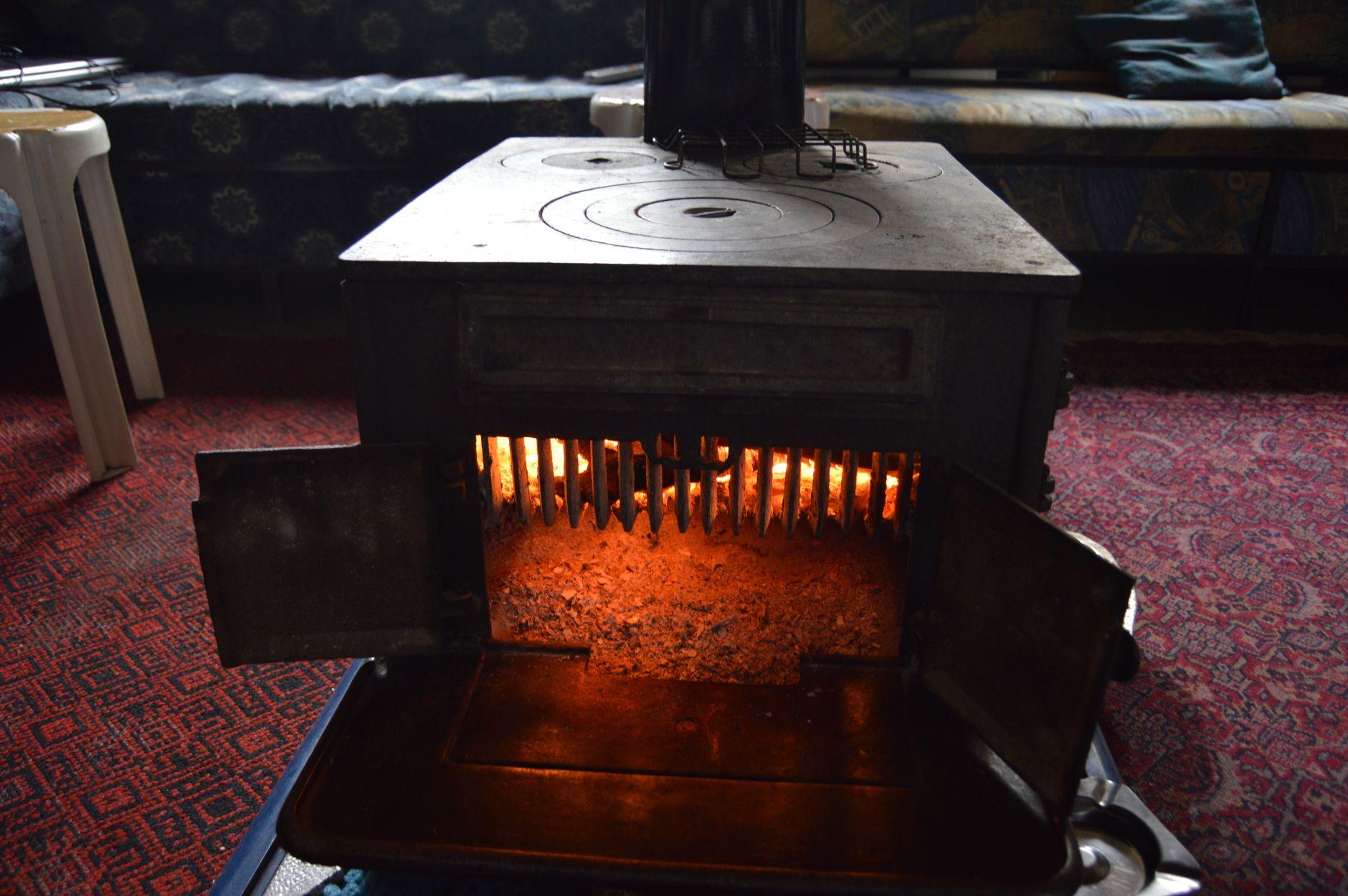
At a showing, an original fireplace on a 1920s or 1940s house is a selling point. The mantel is handsome, the tile is old and the firebox has a dark patina that says it was used. None of that tells a buyer what is going on in the twenty feet of flue above it. That is why Percy Chimney Services suggests a Level 2 to anyone buying an older house in Glendale with a working fireplace, and why this page is written for buyers rather than owners.
Why a sale calls for the deeper level
The fire safety standard most chimney inspectors in California work from, NFPA 211, does not treat every visit the same. A house changing hands is one of the occasions it singles out for a closer look, along with a new appliance or a fire or quake that may have done harm. The reasoning is plain: a buyer has no history for the chimney and the seller may not either. The deeper level fills that gap with pictures.
On an older house the gap is wider than usual. These flues were built before most of today's rules. Some houses from before the 1930s have no tile liner at all, only brick. Many from the 1930s to the 1950s have clay tiles set with mortar joints that have since washed out or cracked. Several large quakes have shaken these stacks, including the 1994 one, and a cracked tile does not show from below.
What a Level 2 looks at on an older house
The camera run is the heart of it. Beyond that, on a house of this age we pay particular attention to:
- Liner joints. Gaps between clay tiles let heat and gases reach the brick and, in the worst case, the framing around it.
- The smoke chamber. Older ones were often left rough, with steps where soot builds up.
- The damper. Original cast iron throat dampers rust and warp, and many no longer close.
- The attic run. We check the space between the brick and the wood where the chimney passes through, which on some older houses is tighter than a modern builder would leave.
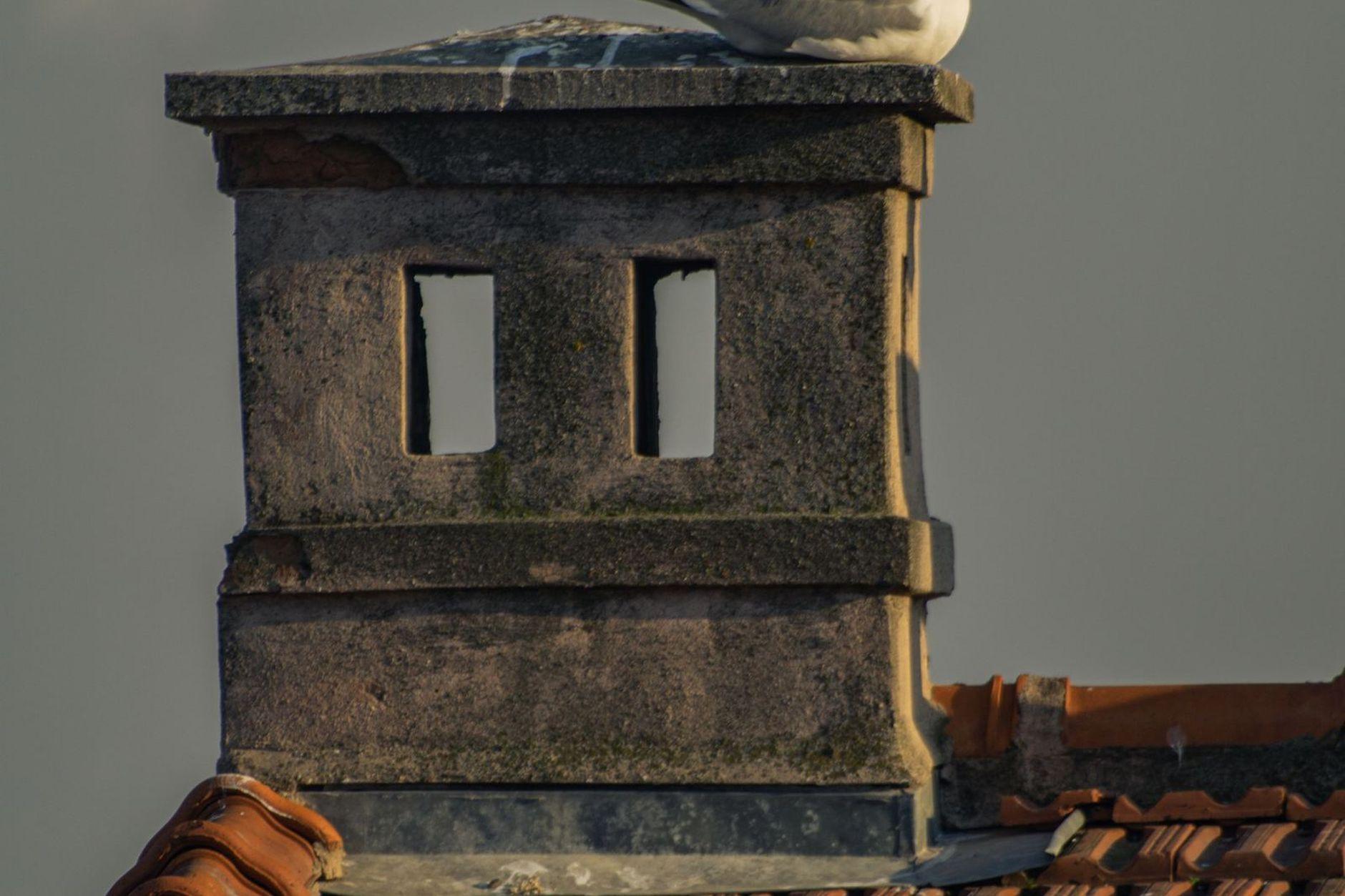
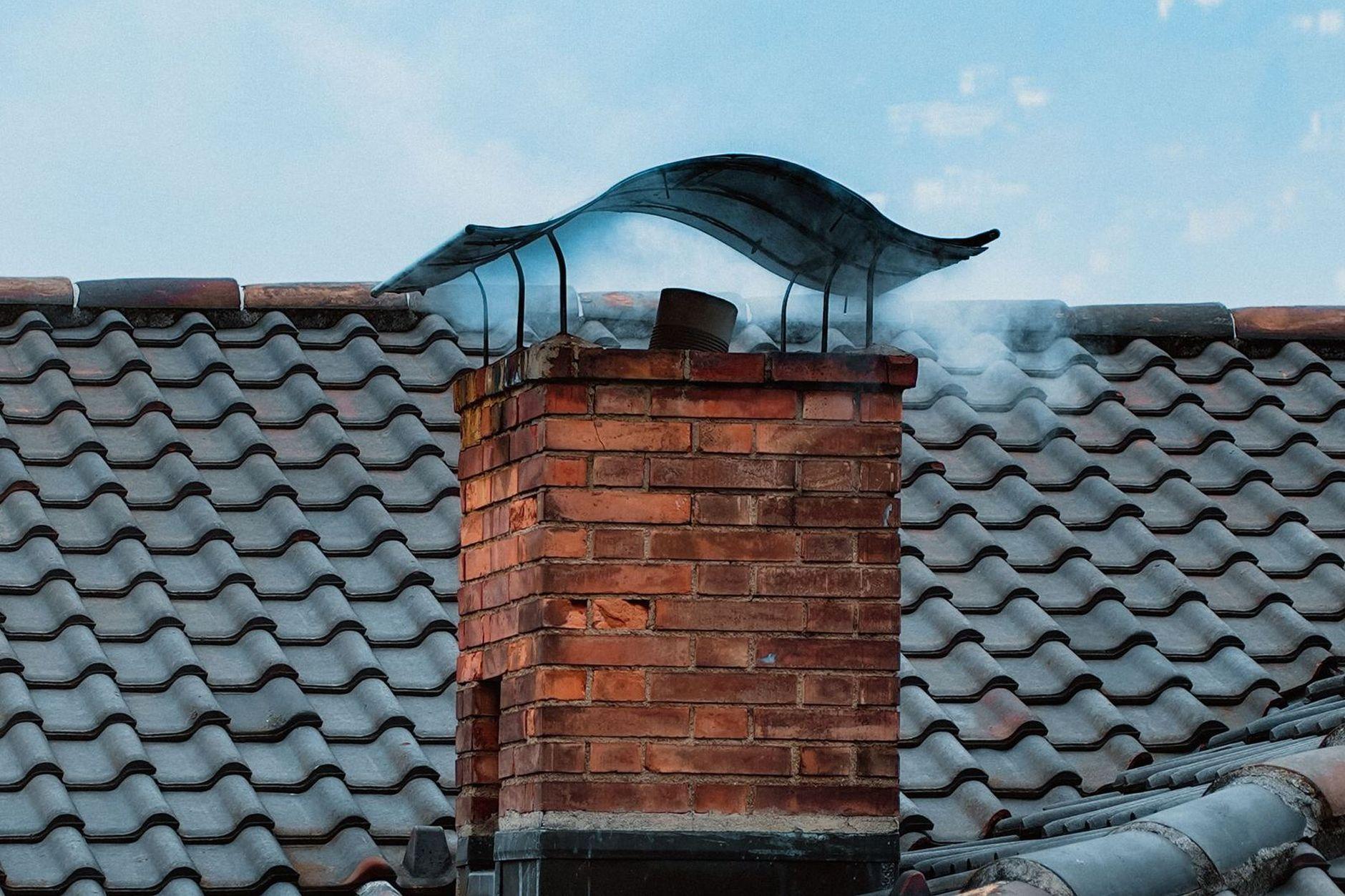
- The top. Crown, cap and the condition of the brick above the roof.
- Signs of past repair. Patches, a newer top on an older base, or a liner someone added later. Each tells part of the history the buyer does not have.
What it costs and what decides the next step
A Level 2 is $410. That covers the inspection, the camera and a written report with photographs, sent to the people you name when you book. What happens after depends on the findings. A sound chimney needs nothing but a sweep, from $440, when it is next used. A cracked tile or missing liner usually means relining, which gets its own written figure. Loose brick above the roof means masonry work.
If you are in a purchase now, request the Level 2 for the house you are buying and let us know who is handling roof access on the seller's side.
Reading the report as a buyer
We write every finding in three parts: where it is, what we saw and what it means for using the fireplace. Each one is marked as a safety item, a water item or ordinary wear. That sorting is what your agent needs when deciding what to ask the seller for. A safety item is a reason to ask for a repair or a price change. Wear on a ninety year old chimney is often just the house being its age, and we say so.
The report does not tell you what to negotiate. It gives your agent something accurate to negotiate with.
Things buyers ask us
The general inspector already looked at the fireplace. Is a Level 2 still worth it? A general inspection covers the whole house in one visit, and a camera up the flue is seldom part of it. When that report says the chimney should be evaluated further, the Level 2 is that evaluation.
The seller says the chimney was swept last year. Does that change anything? A sweep removes soot. It does not record the state of the tiles or the attic gap, so it does not stand in for an inspection.
Can we light a fire before closing? That is the seller's call; it is their house until then. Our report will say whether the fireplace is fit to use once it is yours.
What if the fireplace has been converted to gas? We still look at the flue. A gas log set in an old masonry flue has its own needs, and the report covers them.
Common findings on houses of this age
Most older chimneys we inspect for buyers are usable, sometimes after modest work. The findings that come up again and again on pre-war and early post-war houses are a crown that has cracked across, mortar washed out of the top few courses, a throat damper that no longer seals, and one or two tile joints near the smoke chamber that have opened. Less often we find a chimney with no liner at all or a stack that shifted in a past quake. The report puts each in plain words so a buyer can weigh it against the rest of the house, rather than reading every old chimney as a problem.
Older houses we see most
Our work is mostly on houses built before 1960 across Glendale, Los Angeles, South Pasadena and San Fernando. If you are buying one, our home sale page sets out the order to arrange things in, and the Level 2 service page covers the inspection itself.
Before your window closes
Use our contact page to name the property and everyone on your side who needs a copy; we confirm the visit and that list in writing.
Have an Older Chimney of Your Own?
Percy Chimney Services works on older houses in Glendale and the neighborhoods around it: soft brick repointed with the right mortar, worn fireboxes rebuilt, and clay tile flues checked on camera. You get the findings and the price in writing before anything is done.