What was inside a chimney built in 1925
Builders in the 1920s and 1930s did not all agree on what a flue needed. Some houses in Glendale have clay tile liners set in mortar. Some have tile only part of the way up. A few have none, and the smoke runs straight against the brick. For a fire burned now and then, any of these may have worked for decades. What they were never built for is the heat cycles, quake shaking and moisture they have had since, or the gas and wood appliances owners now want to connect.
Percy Chimney Services relines a lot of these flues. This post covers the liner options, what decides the price and when relining is the right call.
Signs that the flue needs relining
We do not recommend relining on age alone. We recommend it when the camera shows one of these:
- Cracked or broken clay tiles
- Open or missing mortar between tiles
- No liner at all
- Tiles shifted out of line, which is common after a quake
- A flue that is the wrong size for the appliance now on it
The camera is part of a Level 2 inspection, which costs $410. The footage goes with your report, so you can see what we saw.
Liner options for older chimneys
Stainless steel. A round or oval steel liner is fed down from the top and connected at the bottom. It is the common choice for gas appliances and wood inserts, and it can follow a flue that bends. It is wrapped in insulation where the space to nearby wood is tight.
Poured or cast in place. We lower an inflatable form into the old flue, then pump a heat rated cement into the space around it. Once set, it closes the cracks and stiffens the inside of the stack. It suits wide, irregular old flues and owners who want to keep burning wood in an open fireplace.
New clay tile. Rare, as it means opening the chimney, and it is usually part of a rebuild.
Matching the liner to how you use the fireplace
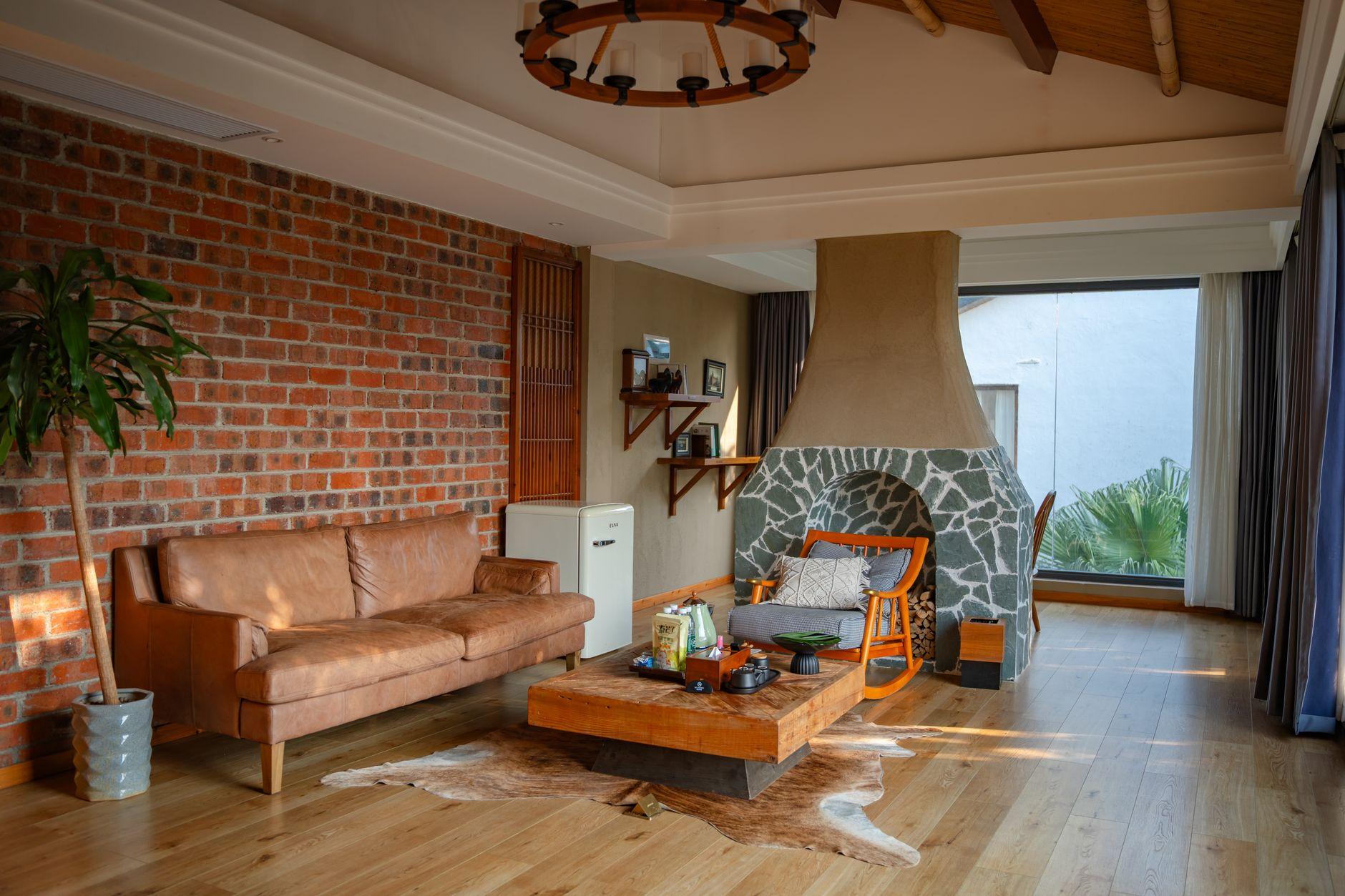
An open wood fire in an original masonry fireplace needs a liner sized to the opening, or it will smoke into the room. A gas log set needs its own look at flue size and the damper. A wood or gas insert carries its own liner to the top. When we write the quote, we write it for the way you plan to use the fireplace, not for a generic flue.
What sets the price
Liners have no list price on this site; each figure is written for the chimney in front of us. What moves it:
- Flue height and whether it bends
- The shape of the old flue, since a round liner in a rectangular flue may need insulation around it
- The type of liner
- Whether the top of the chimney has to be opened
- The appliance it serves
- Access on the roof
Request a written relining quote and tell us whether you burn wood, use gas logs or want an insert. That one answer changes the liner more than anything else.
Prices that sit next to relining
| Related job | Price |
|---|---|
| Camera inspection that finds the problem | $410 |
| A sweep before the liner goes in | from $440 |
| A stainless top over the new liner | quoted after we measure |
| A gas insert for the old opening, installed | $2,900 to $5,850 |
Why we do not recommend relining every old flue
A clay tile flue in good condition, with sound joints and the right size for the fireplace, can stay. Some of the older flues we inspect in Glendale are in better shape than newer ones, because they were built carefully and used lightly. If yours is one of them, the report says so and nothing more is needed but a sweep when it is due.
After the liner goes in
A relined flue changes what the rest of the chimney has to do. The top of the new liner needs a cap that fits it, and the crown around it may need to be cast again so it seals against the steel or the poured lining. We include those in the written scope so you are not surprised by a second visit. Where the camera showed water damage inside the stack, we also look for the source, because a new liner in a wet chimney will not stay sound for long.
Relining and the house's character
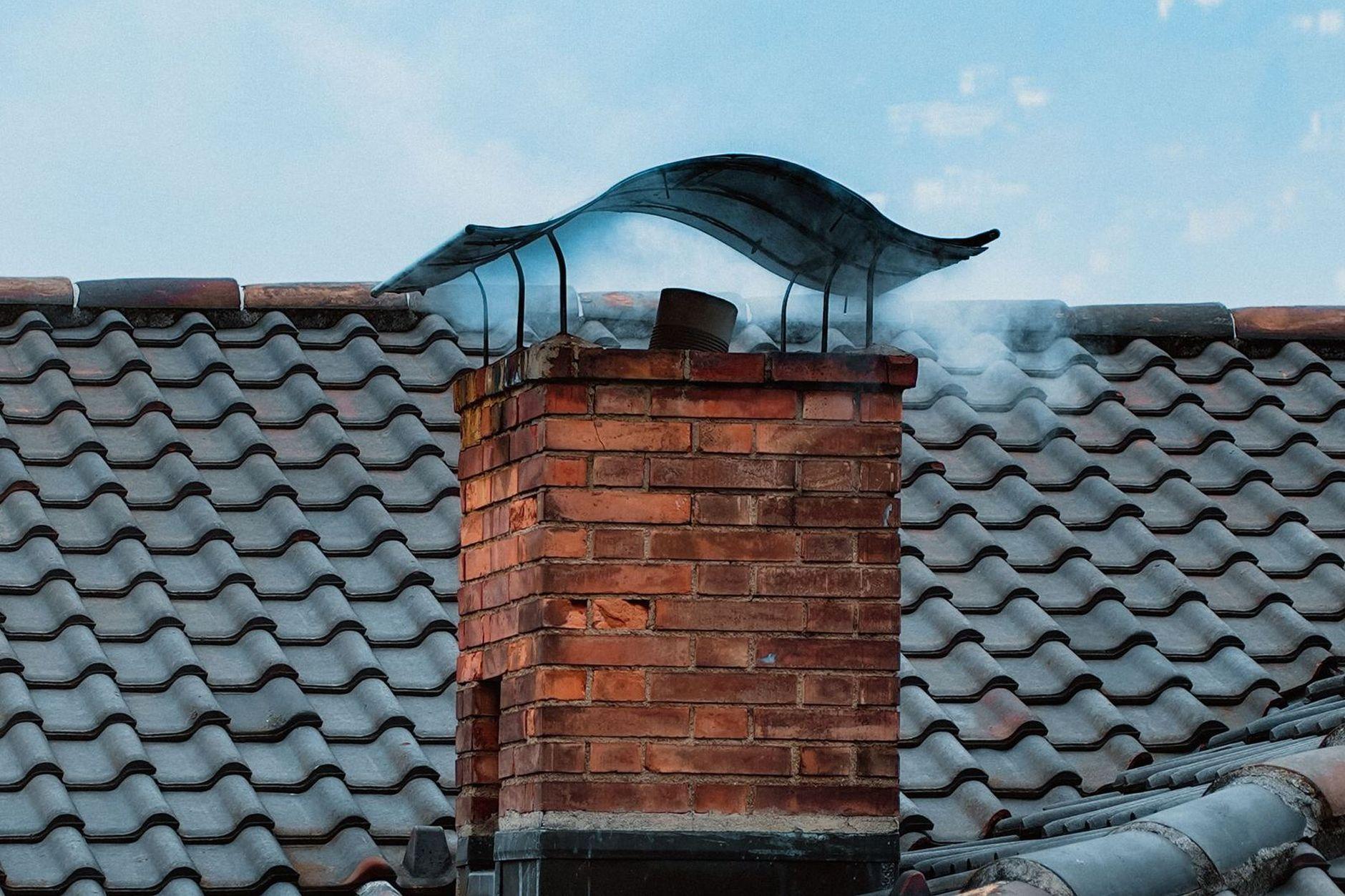
Owners of older houses sometimes worry that relining will change how the chimney looks. From the street, it should not. A steel liner sits inside the old flue and ends a few inches above the crown under a cap. A poured liner leaves no trace outside at all. The brick, the crown shape and the line of the stack stay as they were. Inside the room, the fireplace opening and surround are untouched unless the liner has to connect to an insert.
What does change is how the chimney behaves. A properly sized liner draws better, so an old fireplace that smoked into the room when the door opened often stops doing so. It also keeps heat away from the brick and the framing behind it, which on a house with tight attic gaps is the main reason to reline in the first place.
Where we work
Relining calls come from all over Glendale, and from older streets in Los Angeles, South Pasadena and San Fernando. Our liner installation page covers the work in more detail.
What is up your flue
To find out what your flue is made of and whether it needs anything, use the contact page to set up a camera inspection.
Have an Older Chimney of Your Own?
Percy Chimney Services works on older houses in Glendale and the neighborhoods around it: soft brick repointed with the right mortar, worn fireboxes rebuilt, and clay tile flues checked on camera. You get the findings and the price in writing before anything is done.