The part of an old house that moves first
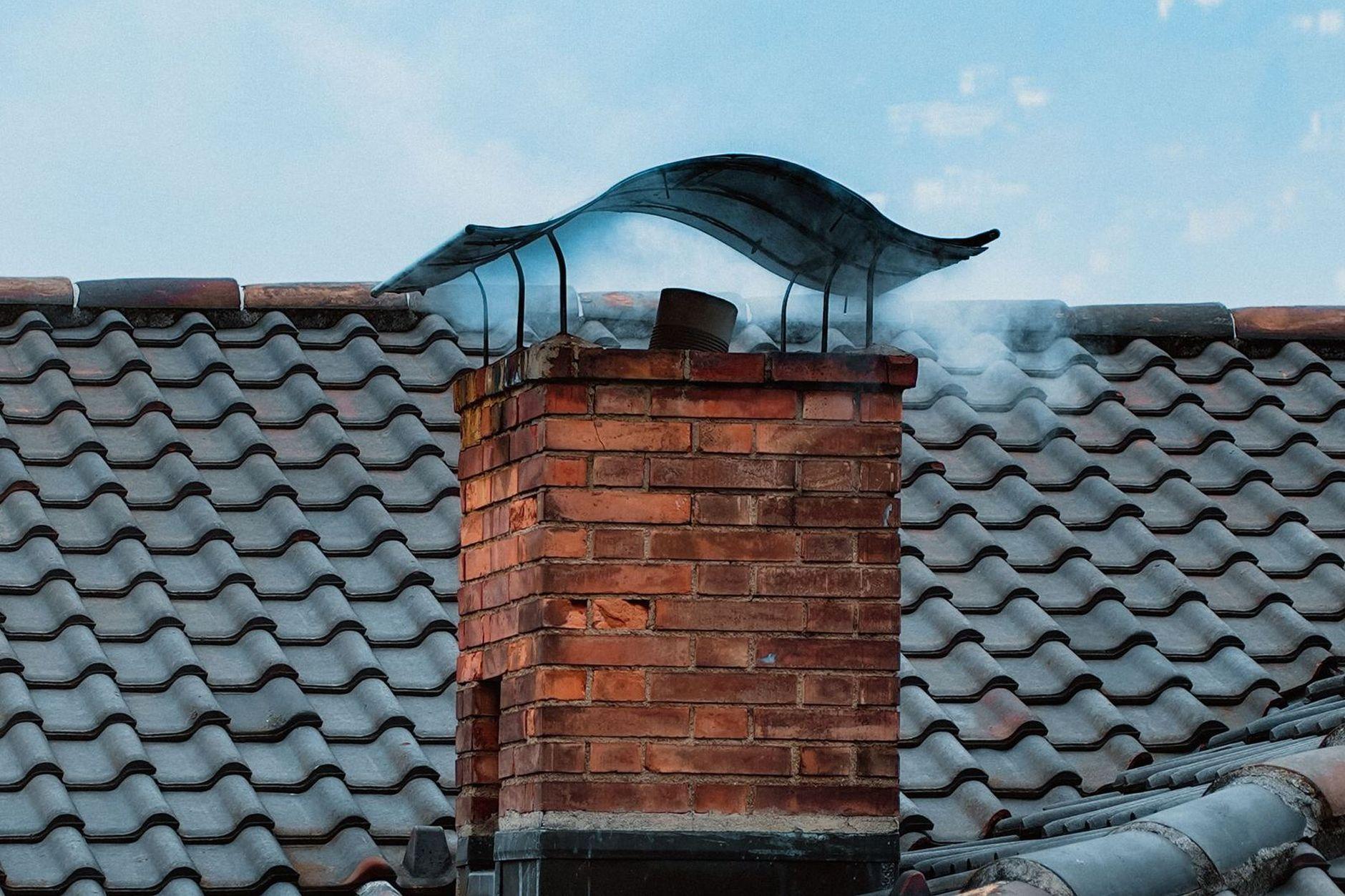
An unreinforced brick chimney is a tall, heavy column tied loosely to a wood house. When the ground shakes, the house flexes and the chimney does not, and the place where the two meet takes the strain. After the 1994 quake, broken stacks lay in front yards all over the Valley and beyond. The Whittier Narrows shaking in 1987 and the Sierra Madre quake of 1991 did the same to many older chimneys closer to Glendale.
Percy Chimney Services works mostly on houses built before 1960, so we are asked about this often. There are three answers, and this post explains how we choose between them for a given house.
First, what the chimney is made of
Before any seismic work we need to know what we are working with. A Level 2 inspection at $410 tells us whether the flue tiles are intact, whether the brick is sound inside, how the chimney is tied to the framing and what the attic run looks like. Without that, any plan is a guess.
Option one: bracing the stack in place
Where the brick is sound and the owner wants to keep the chimney as it is, the stack can be tied to the house with steel. In general terms, that means straps or angle iron around the chimney fixed back into the framing at the ceiling and roof, and sometimes a brace on the roof running from the top of the stack to the rafters. The aim is to stop the chimney moving on its own.
Bracing keeps the original masonry and the look of the house. It is the least disruptive option. It does not fix weak mortar or cracked brick, so it suits a stack that is already in good order.
Option two: rebuilding the top with reinforcement
The section above the roof is the part most likely to fall, so a common answer is to take that part down and lay it again with steel reinforcement running through it, tied to the masonry below. On a chimney that shows from the street, we lay the new section in matching brick so the outline of the house does not change.
This costs more than bracing but deals with the most dangerous part directly, and it is the usual answer where the upper brick is loose or a past quake left a crack through it.
Option three: taking the chimney down
Sometimes the honest advice is that the chimney is not worth keeping. If no one burns wood, the flue has no liner and the brick is soft, removing the stack to below the roofline, or further, takes the risk away entirely. If the owner still wants a fire, a gas fireplace that vents out through a wall needs no masonry chimney at all. Fitting one where there was none before runs $4,700 to $9,400 with us, depending on the unit, where it goes and how the vent is routed.
What sets the cost of each
Seismic work has no list price here. Each figure is written once we have seen the stack. The things that move it:
- How tall the chimney is above the roof and how much of it is loose
- Whether the brick and mortar are strong enough to brace as they are
- The roof covering, since clay tile has to be lifted and replaced by hand
- How the chimney sits against the house wall and what framing is there to fix to
- Whether the street face matters and brick has to be matched
- Whether a permit is needed, which the written scope will tell you
Ask for a written seismic quote and tell us which of the three options you are leaning toward. We will say on the visit whether the chimney supports it.
Things we will not promise
We will not tell you a braced chimney will survive any quake, or that a retrofit qualifies for a rebate or an insurance discount. Those depend on the size of the event and on programmes and policies we do not control. What we will tell you is what each option changes about how the chimney is held to the house.
Mixing options
Many older houses end up with a combination. A common one: rebuild the top with reinforcement, then brace the section below the roof to the framing. Another: take down a chimney that served a fireplace no one uses and brace the one that serves the fireplace the family loves. The written quote lists each part separately so you can choose.
After the work
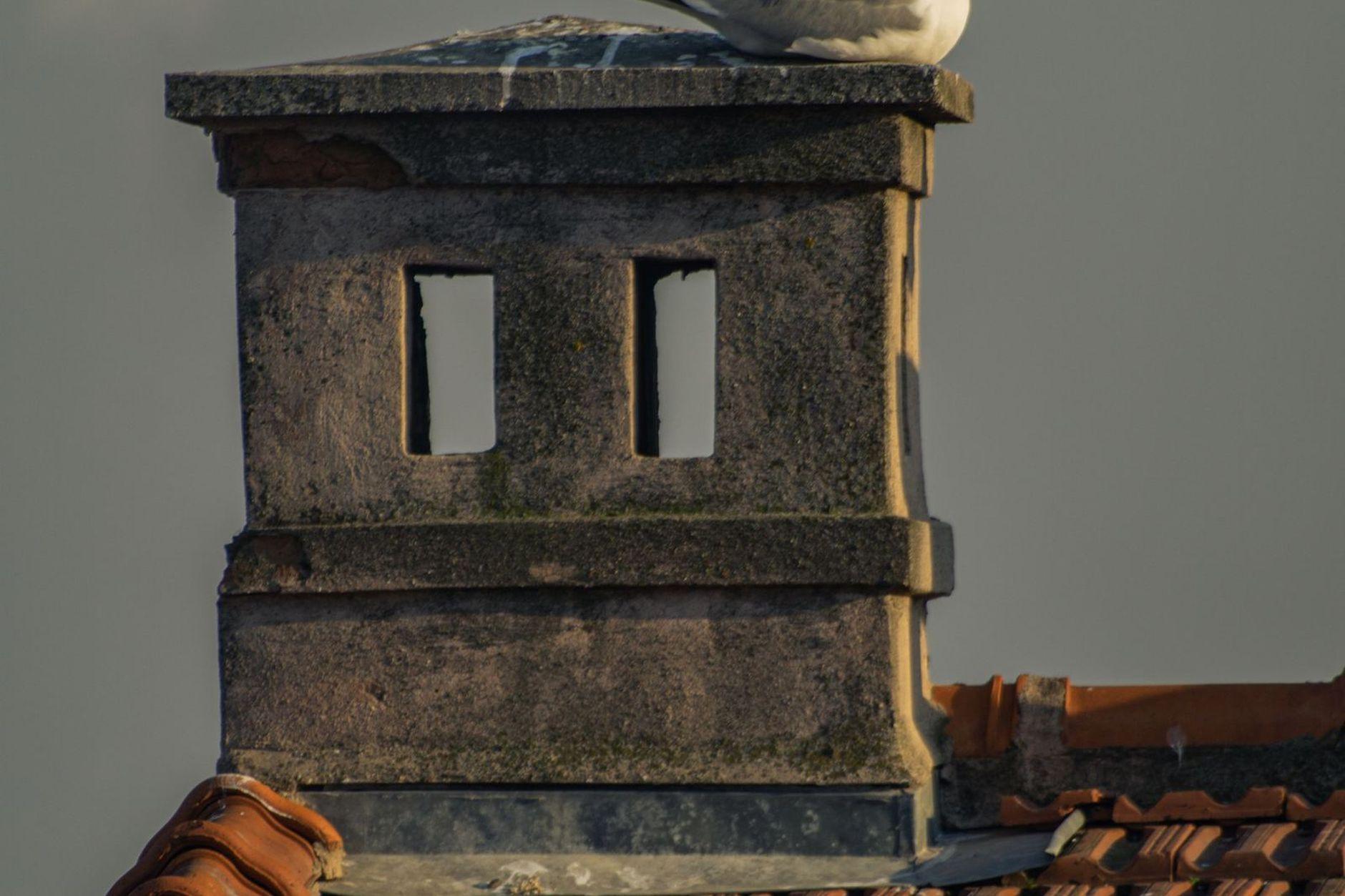
Whatever option you choose, the top of the chimney still needs to shed water. A rebuilt or braced stack gets a new crown and, where one is missing, a stainless cap with a spark screen, quoted after we measure the flue. Size, material and the chimney itself set the price. If the stack is wide and sits below a long run of roof, a sheet metal diverter on the uphill side, at $470 to $1,060, keeps water from piling up against the new brick.
The paperwork matters too. Every scope we write for seismic work lists what was done, where the steel went and what brick was used, with photos taken while the work was open. A future buyer or insurer cannot see steel inside a wall, so that record is the only proof it is there.
Where we work
Most of our seismic work is in Glendale and the hill streets around it, with jobs in Los Angeles, South Pasadena and San Fernando. Our seismic retrofit page and rebuild page go further into each.
Choosing yours
The contact page is the way to get someone onto your roof to see which of the three your chimney needs.
Have an Older Chimney of Your Own?
Percy Chimney Services works on older houses in Glendale and the neighborhoods around it: soft brick repointed with the right mortar, worn fireboxes rebuilt, and clay tile flues checked on camera. You get the findings and the price in writing before anything is done.