The wrong contractor costs an old house twice
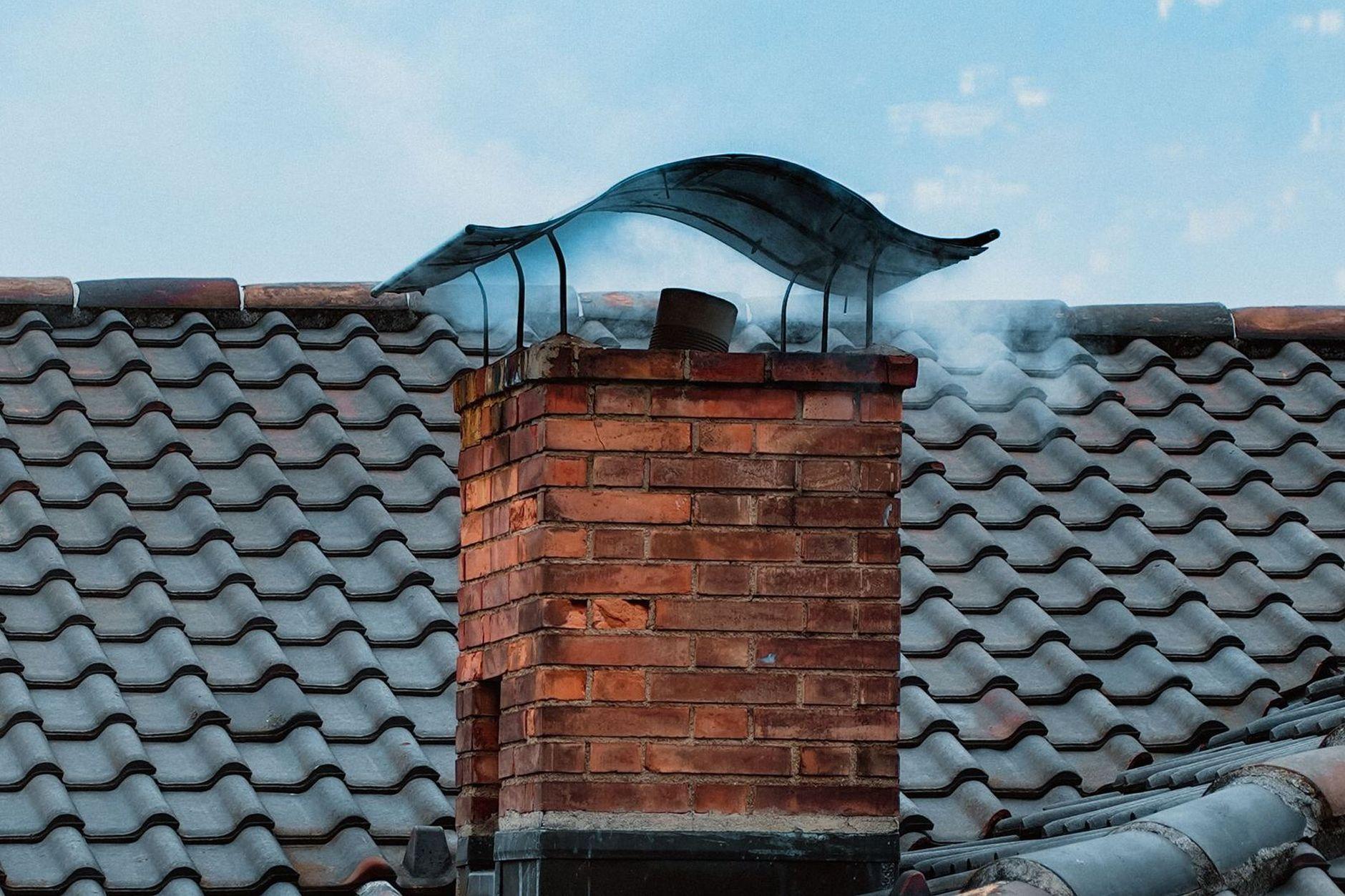
On a new house, a chimney repair done with the wrong mortar or the wrong brick is a cosmetic problem. On a 1920s Spanish or a 1930s Tudor in Glendale, it can harm original masonry that cannot be replaced, and it often has to be undone before it can be done right. That makes the choice of company matter more than the price of the first visit.
This is how we would want an older house treated, written by Percy Chimney Services so owners can measure any company, including us, against it.
A written scope before any work
Any company working on an older chimney should give you a scope in writing before work starts. It should say what will be done, with what materials, and what it costs. A spoken number on the roof is not a scope. Neither is a single line that says "repair chimney".
The scope should list each item separately, so you can approve some and not others.
Materials named, not implied
Older brick is softer than modern brick, and many older chimneys were laid in lime mortar. A company that plans to repoint with a hard modern mix, or does not know what mix it will use, can trap water in the old brick and cause the faces to break off. A good scope names the mortar and the brick source.
The same goes for crown work, liners and dampers. "New crown" says little. A scope that says how the crown will be formed and what it is made of says a lot.
Photos and footage, not just a verdict
If a company says your chimney needs a new liner or a rebuild, ask to see why. A camera inspection should come with footage or photos showing the cracked tile, the missing mortar or the loose brick. A report that says "failed" with no picture is hard to check.
With us, a Level 2 inspection costs $410 and every finding in the report has a photo beside it.
No rush to tear it down
Some chimneys do need to come down. Most do not. A company that calls for a full rebuild on the first visit, without a camera inspection or a clear reason, may be selling the biggest job rather than the right one. On older houses we start from the position that the original masonry stays unless there is a structural or safety reason for it to go. Our masonry repair page explains how that works in practice.
Published prices where they exist
Some chimney work can be priced in advance: inspections and sweeps. A cap is quoted after we measure. A company that publishes those prices lets you compare before anyone visits. Ours are the same on every page:
- Basic Level 1 check: $57
- Level 2 with camera and written report: $410
- Sweeping: from $440
- Finding and stopping water at the chimney: $585 to $3,500
- Cap with spark screen, fitted: quoted after we measure
Masonry, crowns, liners and dampers depend on the chimney, so no honest company can price them sight unseen.
What decides the next step
After the first visit, the next step depends on what was found. A sound chimney needs only routine sweeping. A cracked tile points to relining. Loose brick above the roof points to masonry work. A rusted damper is a damper repair on its own line. A written scope from us shows each one with its price, or with a written figure to follow.
Ask for an inspection and written scope and say what the house is (Craftsman, Spanish, Tudor, post-war ranch) and what worries you about the chimney.
Things you should not have to accept
- Pressure to sign on the day
- A price that changes once the work has started, without a written change
- Work on parts not in the scope
- Being told the fireplace is unsafe without being shown why
- Modern mortar on a lime mortar chimney
Comparing two quotes side by side
Owners often end up with two or three quotes for the same chimney and find that they do not line up. One proposes a rebuild, another a repoint, a third a liner. Before choosing on price, set them next to each other and check:
- Did each company look inside? A quote written without a camera is a guess about the flue.
- Does each scope say what is wrong? A rebuild quote should name the loose brick or the crack it is meant to cure.
- Are the materials the same? A cheaper repoint with hard mortar is not the same job as a softer mix matched to old brick.
- What is left out? A low figure that skips the crown, the cap or the flashing may only be low until the second visit.
- Is the price itemised? You should be able to see which part of the number belongs to which part of the work.
When two scopes differ, the reason is usually in what each one saw. The one that can show you its evidence is easier to trust.
Older houses need slower work
Work on a pre-war chimney takes longer than on a newer one, and a company that quotes as if it does not may be planning shortcuts. Raking old joints by hand to avoid chipping soft brick, lifting clay roof tile one piece at a time and mixing mortar to match all add hours. Ask how the work will be done, not only how long it will take.
Working in Glendale and nearby
We work mostly on older houses in Glendale, Los Angeles, South Pasadena and San Fernando. Our about page says how we approach them, and the up to code repairs page shows how structural items come first.
Ready to compare
When you would like to see a scope for your own house, the contact page is where to begin.
Have an Older Chimney of Your Own?
Percy Chimney Services works on older houses in Glendale and the neighborhoods around it: soft brick repointed with the right mortar, worn fireboxes rebuilt, and clay tile flues checked on camera. You get the findings and the price in writing before anything is done.